

Safety & PPE
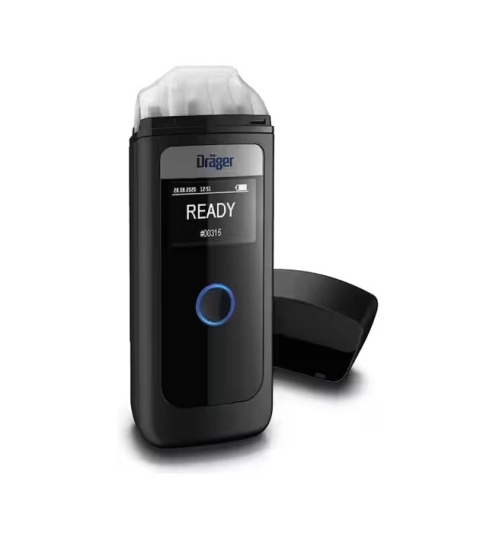
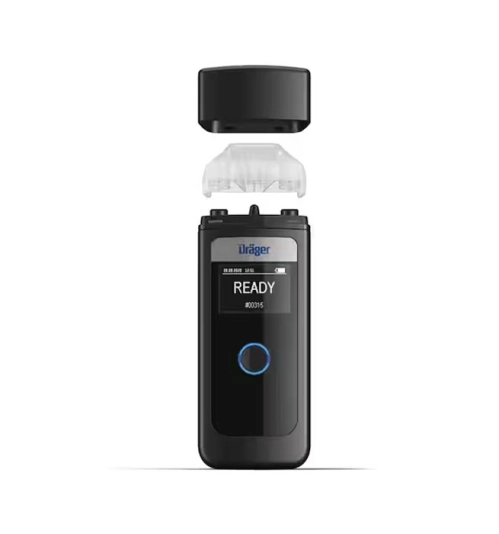
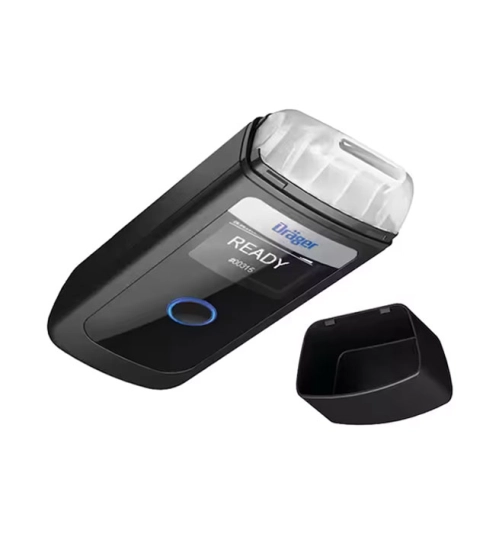
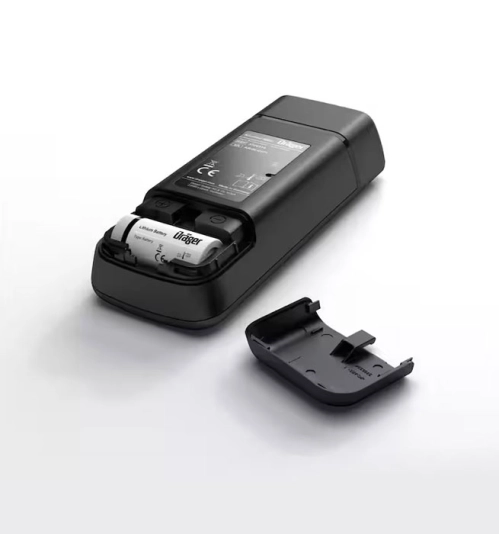
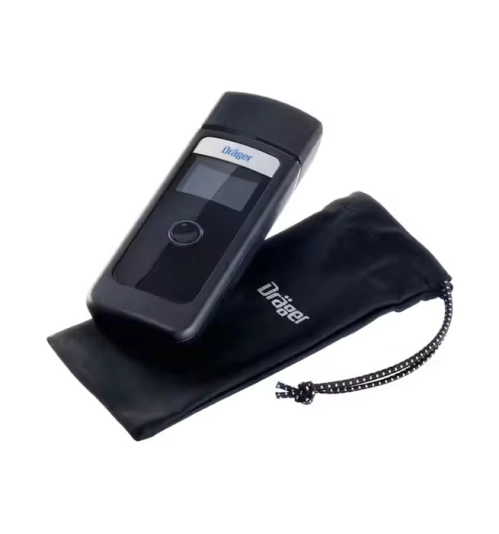
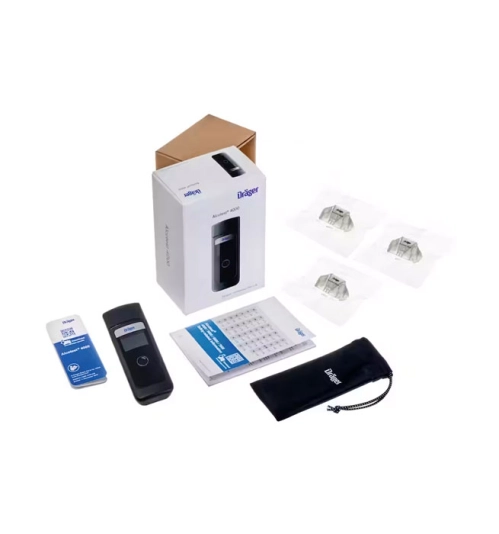
Drager Alcotest® 4000
The breathalyser Dräger Alcotest® 4000 offers responsible drivers a reliable way to test their breath alcohol and gives them the assurance of being legal to drive. This is ensured by precise measurement technology identical to that used by the police: over 30 million breath alcohol tests a year.
Download
Produk Lainnya
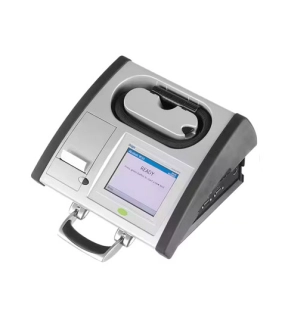
The Dräger Alcotest® 9510 is an advanced breath alcohol measuring instrument for evidential applications. It is designed to comply with national and international requirements and regulations (OIML R 126). With dual sensor technology, intuitive color touch screen interface, and modern design the Alcotest® 9510 sets superior standards.
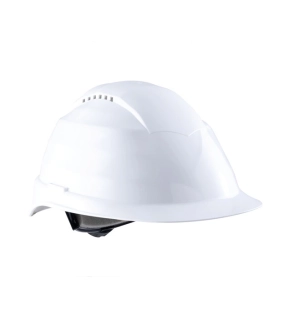
These C6 ABS 6 Point Harness Helmets from the Halo® PPE range have been designed with comfort and performance in mind. Halo® products are manufactured to suit a diverse workforce, and ensure everyone is protected. By choosing Halo® you are supporting worthwhile charities including Mind for Mental Health and The Diversity Trust. Where possible, single-use plastic bags have been removed from Halo® packaging to reduce our impact on landfill and on the environment.
The Halo® range of short peak side vented safety helmets have been designed with comfort and performance in mind. Available in a range of colours, each safety helmet is manufactured from ABS plastic with a 6-point textile suspension harness and fleece sweatband.
Both practical and stylish, these helmets are designed to protect personnel whilst on site. Each helmet also includes a rain gutter and slots for hearing or eye protection accessories.
Features and Benefits
• 6-point textile suspension harness for comfortable wear
• Washable fleece sweatband keeps sweat out of the eyes and off the face
• Manufactured from ABS plastic for resilience and product longevity
• 12 ventilation holes maintain airflow and wearer comfort
• Ratchet adjustable headband for easy fitting
• 4-point self-releasing chin strap mounts for optionally secured fitting
• Slots (30mm) for hearing or eye protection accessories
• Rain gutter prevents the collection and draining of water onto the wearer
• German manufactured for a lower carbon footprint
• Available in a range of colours to suit your needs
Standards
• Halo® products are BSI tested
• EN 397:2012 + A1:2012
The Halo® range of short peak side vented safety helmets have been designed with comfort and performance in mind. Available in a range of colours, each safety helmet is manufactured from ABS plastic with a 6-point textile suspension harness and fleece sweatband.
Both practical and stylish, these helmets are designed to protect personnel whilst on site. Each helmet also includes a rain gutter and slots for hearing or eye protection accessories.
Features and Benefits
• 6-point textile suspension harness for comfortable wear
• Washable fleece sweatband keeps sweat out of the eyes and off the face
• Manufactured from ABS plastic for resilience and product longevity
• 12 ventilation holes maintain airflow and wearer comfort
• Ratchet adjustable headband for easy fitting
• 4-point self-releasing chin strap mounts for optionally secured fitting
• Slots (30mm) for hearing or eye protection accessories
• Rain gutter prevents the collection and draining of water onto the wearer
• German manufactured for a lower carbon footprint
• Available in a range of colours to suit your needs
Standards
• Halo® products are BSI tested
• EN 397:2012 + A1:2012
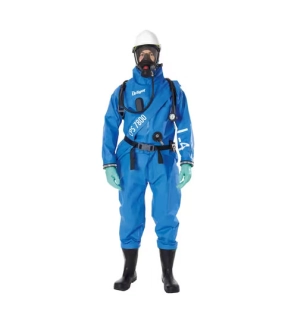
The reusable gas-tight Dräger CPS 7800 provides excellent protection against gaseous, liquid, aerosol and solid hazardous substances even in explosive areas. Due to its innovative material and the new suit design it offers increased flexibility and comfort when entering confined spaces and working with cryogenic substances.
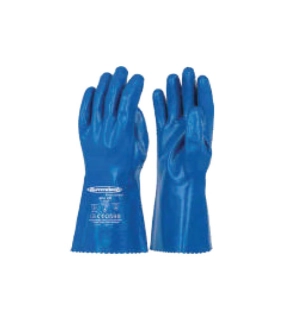
PRODUCT CODE : BF4 EB
COATING MATERIAL : Nitrile
LINEAR MATERIAL : Cotton Interlock
EXTERIOR FINISHING : Pinked
CUFF STYLE : Pinked
THICKNESS MM : N/A
LENGTH MM : 300
COLOUR : Blue
SIZE/WRIST : S, M, L, XL, XXL
PACKAGING : Bulk packed 12 pairs in a bundle 72 pairs in a master carton
COATING MATERIAL : Nitrile
LINEAR MATERIAL : Cotton Interlock
EXTERIOR FINISHING : Pinked
CUFF STYLE : Pinked
THICKNESS MM : N/A
LENGTH MM : 300
COLOUR : Blue
SIZE/WRIST : S, M, L, XL, XXL
PACKAGING : Bulk packed 12 pairs in a bundle 72 pairs in a master carton